
A Real-World Guide to Staying Safe
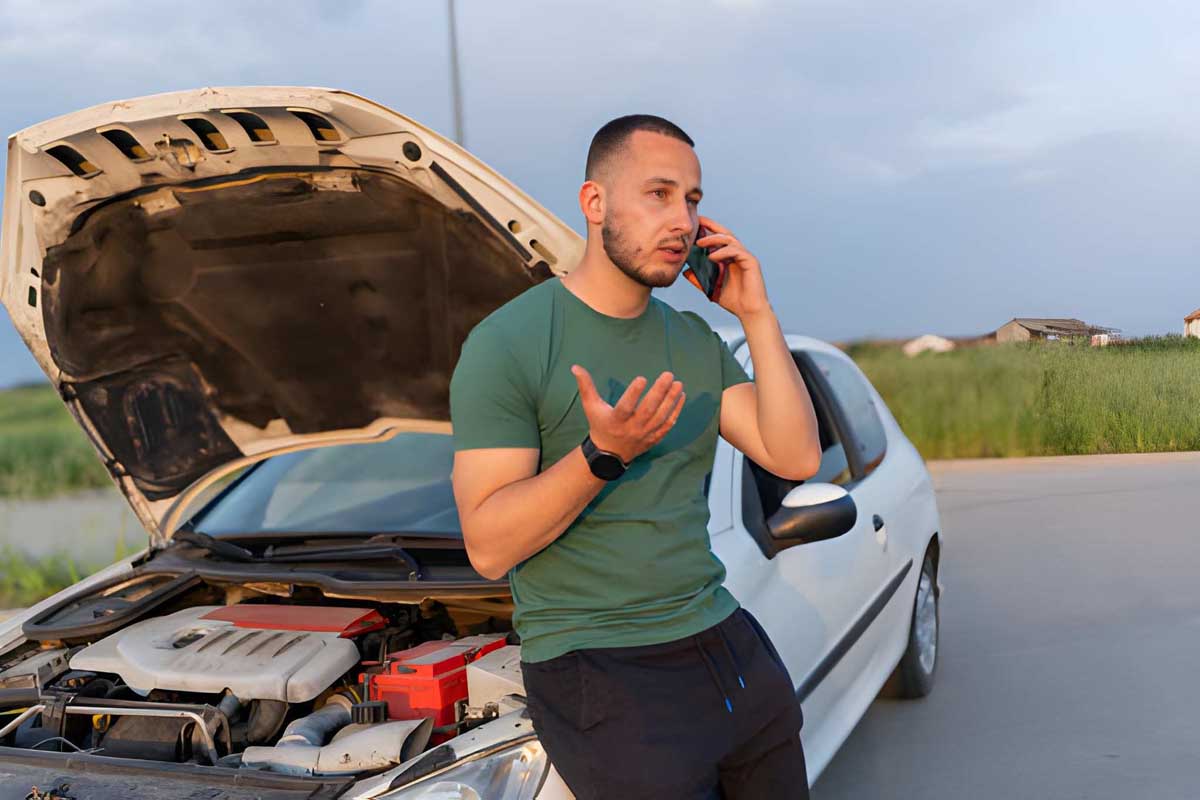
Last summer, I was driving home from a road trip when my car started making a horrible grinding noise on a busy highway. My heart raced as I realized I needed to pull over immediately, but I wasn’t entirely sure of the safest way to handle it. That experience taught me valuable lessons I want to share with you today about my car breaking down on the road.
Breaking down is stressful, but knowing exactly what to do can keep you safe and get you back on the road faster. Here’s what I’ve learned from personal experience and years of helping others through similar situations.
Step 1: Get to Safety Immediately
The moment you realize something’s wrong with your car, your first priority is getting out of traffic safely.
What to do:
- Turn on your hazard lights right away, even before you start pulling over
- Slow down gradually and steer toward the right shoulder if possible
- Aim for a wide, flat area away from traffic flow
- If you’re on a highway and can’t reach the shoulder safely, try to make it to the next exit
From my experience: When my transmission started failing, I had maybe 30 seconds before the car lost power completely. I immediately hit the hazards and coasted to the shoulder. That warning gave other drivers time to move around me.
Don’t try to limp to a nearby gas station if your car is overheating, making terrible noises, or losing power. Getting off the road trumps everything else.
Step 2: Make Your Vehicle Visible
Once you’re stopped, you need to alert other drivers to your presence, especially if you’re on a shoulder or partially in a lane.
Essential visibility steps:
- Keep your hazard lights on
- If you have flares or reflective triangles, place them 200-300 feet behind your vehicle
- Turn on interior dome lights at night so drivers can see your car isn’t abandoned
- If it’s safe, raise your hood to signal you need help
A mistake I’ve seen: People turn off their hazards to “save battery.” Don’t do this. Your safety is worth more than a dead battery, and most modern car batteries can run hazards for hours.
Step 3: Stay in or Get Out? Make the Right Call
This decision depends entirely on your location and circumstances.
Stay inside your vehicle if:
- You’re on a busy highway with fast-moving traffic
- Weather conditions are dangerous (extreme heat, cold, or storms)
- You’re in an unfamiliar or isolated area
- Traffic is passing very close to your vehicle
Get out and move to safety if:
- You smell smoke or fuel
- Your car is in immediate danger of being hit
- You’re on a narrow shoulder with traffic passing inches away
- You can safely reach a barrier, guardrail, or well-lit area
Real scenario: A friend stayed in her car on a highway shoulder because she thought it was safer. A distracted driver sideswiped her vehicle. Highway patrol later told her she should have moved behind the guardrail. When in doubt on a highway, get to safety beyond any barriers.
If you stay in the car, keep your seatbelt on and doors locked. Position yourself away from traffic if possible.
Step 4: Call for Help the Smart Way
Now it’s time to get assistance, but who you call matters.
Your calling priority:
- 911 if there’s any danger—blocking traffic, risk of collision, medical issues, or unsafe location
- Your roadside assistance – QuickTow 24/7 provides fast, professional breakdown services across any location in London. When emergency strikes, just call us and we’ll arrive within 10-45 minutes, anytime, day or night. Our experienced team understands that breakdowns are stressful, and we’re committed to getting you to safety quickly.
Document everything:
- Take photos of your location, car position, and any damage
- Note your exact location using a GPS app or mile markers
- Get the name and badge number of any police or tow operators
Money-saving tip from experience: If you have comprehensive insurance, check whether towing service is covered before calling a random tow truck. I once paid $200 for a tow that would have been free through my insurance. Also, some credit cards include roadside assistance you might not know about.
Step 5: Communicate Your Location Clearly
When calling for help, the more specific you are, the faster help arrives.
What to share:
- Highway name and direction you were traveling (northbound I-95)
- Mile marker or exit number
- Landmarks (“near the green water tower”)
- Your exact GPS coordinates from your phone
- Description of your vehicle (color, make, model)
Pro tip: If you’re on a highway, check which side of the road the mile markers are on before your phone dies. Even numbers typically run east/west, odd numbers run north/south, and they increase in one direction. This helps dispatchers locate you quickly.
Step 6: While You Wait, Stay Smart
The waiting period is when people make mistakes. Here’s how to stay safe:
Do:
- Stay visible and alert
- Keep your phone charged (car charger if battery works, or power bank)
- Drink water if you have it
- Keep windows slightly cracked for air circulation
- Watch for your tow truck and verify it’s the one you called
Don’t:
- Accept help from strangers approaching on foot (if someone stops, ask them to call 911 but don’t unlock your doors)
- Wander around your vehicle in traffic
- Try to fix major mechanical issues on a highway shoulder
- Leave valuables visible in the car
Real danger: A woman I know had someone pull over offering “help” who turned out to have bad intentions. She kept her doors locked and windows up, told him she’d already called for help, and he left. Trust your instincts.
What to Keep in Your Car for Breakdowns
After being unprepared for my breakdown, I now keep an emergency kit. Here’s what actually gets used:
Essential items:
- Jumper cables or portable jump starter
- Flashlight with extra batteries
- Reflective vest (makes you visible if you need to exit the vehicle)
- Basic tools (screwdriver, pliers, tire pressure gauge)
- Tire inflator and sealant (for slow leaks)
- Phone charger and backup battery
- Bottled water
- Emergency blanket
- Flares or reflective triangles
Seasonal additions:
- Summer: Extra water, sunscreen, hat
- Winter: Ice scraper, sand/kitty litter for traction, warm blankets
I also keep a folder with copies of my insurance card, roadside assistance numbers, and emergency contacts. When you’re stressed, you don’t want to be searching through emails for a phone number.
Common Breakdown Scenarios and Quick Fixes
Some situations you might be able to handle yourself:
Dead battery: If you have jumper cables and another vehicle, you can jump-start your car. Make sure you connect cables in the right order (positive to positive, negative to ground). Portable jump starters are even better because you don’t need another car.
Flat tire: If you’re in a safe location and know how to change a tire, this is usually doable. But if you’re on a highway or it’s dark, calling for help is often safer than putting yourself at risk.
Overheating: Never open a hot radiator cap. If your temperature gauge spikes, pull over, turn off the engine, and wait at least 30 minutes before checking coolant levels. Adding coolant might get you to a mechanic, but driving an overheating car can destroy your engine.
Warning lights: Some warning lights mean “pull over immediately” (red oil can, red temperature gauge, brake system warning). Others mean “get it checked soon” (yellow check engine light). Know the difference.
After the Breakdown: Follow-Up Steps
Once you’re safely off the road, there are a few things you shouldn’t forget:
- Get a written estimate before authorizing any repairs
- File an insurance claim if applicable – some policies cover mechanical breakdowns or towing
- Keep all receipts – towing, repairs, even rideshare costs home
- Review what happened – was it preventable with maintenance?
- Update your emergency kit – replace anything you used
Lesson learned: After my breakdown, I discovered I’d been ignoring a transmission service recommendation. Regular maintenance isn’t just about avoiding breakdowns—it’s about your safety and wallet.
Special Situations to Consider
Breaking down with kids: Keep them calm, have snacks and entertainment in your emergency kit, and make it a “learning experience” rather than showing panic.
Breaking down alone at night: Stay in your locked vehicle with lights on. Call someone to stay on the phone with you while you wait for help. Trust verified tow services only.
Remote areas with no cell service: This is where a satellite communicator or at least telling someone your route beforehand becomes critical. If you must walk for help, leave a note on your dashboard with the time and direction you headed.
The Bottom Line
Breaking down is never convenient, but being prepared makes all the difference between a minor inconvenience and a dangerous situation.
The most important things I’ve learned: prioritize safety over everything else, stay visible, communicate clearly with emergency services, and don’t take unnecessary risks trying to fix things yourself in dangerous locations.
Keep an emergency kit, know your roadside assistance options before you need them, and stay calm. You’ve got this.
Need Immediate Breakdown Assistance in London?
QuickTow 24/7 is here when you need us most. We provide fast, professional breakdown services across any location in London—whether you’re stuck on the M25, broken down in Central London, or stranded in a residential area.
Why choose QuickTow 24/7:
Rapid response: 10-45 minute arrival time
Available 24/7, 365 days a year
Coverage across all London locations
Professional, experienced technicians
Transparent pricing, no hidden fees
When emergency strikes, don’t wait. Call QuickTow 24/7 and get back on the road safely.
About the Author: The Team have 10 years of experience in automotive safety/roadside assistance/mechanics. They’ve helped countless drivers navigate breakdown situations and emphasize practical, safety-first approaches to vehicle emergencies.
Frequently Asked Questions
How long can I run my hazard lights before my battery dies?
Most modern car batteries can power hazard lights for 4-6 hours before draining, sometimes longer if the battery is in good condition. Your safety is more important than battery preservation.
Should I accept help from strangers who stop?
It’s generous that people stop, but for your safety, it’s best to decline and say help is already on the way. If they insist, you can ask them to call 911 or your roadside service, but don’t unlock doors or leave your vehicle.
Is it illegal to walk on the highway shoulder?
In most states, it’s legal to walk on the shoulder to reach safety or get to an emergency call box, but it’s dangerous. Only do this if absolutely necessary and stay as far from traffic as possible.
What if I can’t afford a tow truck?
Many insurance policies include towing coverage you might not know about. Check your policy or call your agent. Some auto clubs offer pay-as-you-go services, and certain credit cards include roadside assistance benefits.
How do I know if a tow truck driver is legitimate?
Verify they’re from the company you called, ask for identification, and get written documentation before they tow your vehicle. Legitimate drivers will have company logos, uniforms, and won’t pressure you to go to a specific repair shop.