
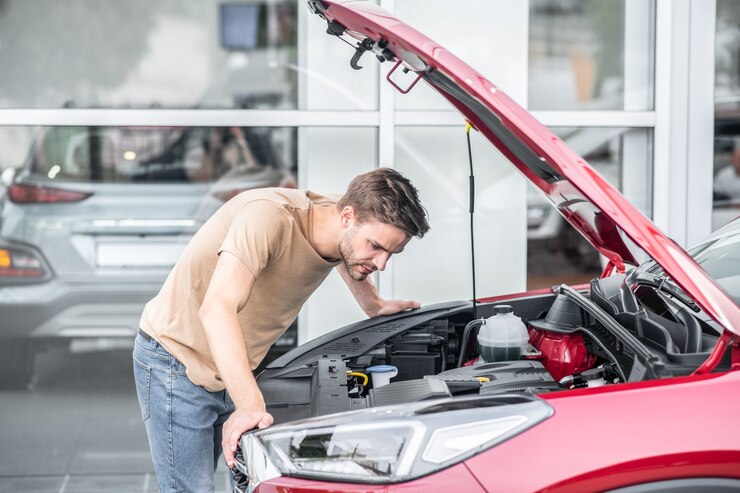
Expert Guide to Battery Problems & Solutions
Battery failure stops more cars than most mechanical problems, but QuickTow 24/7 is ready 24/7 for help.. According to AA/RAC statistics, battery failure is the #1 cause of roadside breakdowns in the UK. Understanding why this happens—and what actually works—matters more than where you are when it breaks down.
What Really Drains Your Battery (And Why Nobody Tells You)
Short trips are silent killers
Your alternator needs 15-20 minutes of driving to properly recharge what starting the engine uses. Quick runs to the shops, school drop-offs, or commutes under three miles never give the system enough time. After weeks of this, you’re running on borrowed power.
Your car doesn’t actually turn off anymore
Modern vehicles keep dozens of systems alive after you walk away. Alarm sensors, keyless entry receivers, clock memory, security features—all drawing tiny amounts constantly. Individually harmless. Together, they can flatten a battery in two weeks of sitting unused.
Cold weather doesn’t kill batteries, it exposes weak ones
A battery at 0°C delivers roughly 65% of its normal power. The same battery that started fine in August struggles in January—not because winter damaged it, but because it was already declining and warmth was hiding the problem.
Age sneaks up without warning
Batteries don’t announce retirement. They weaken gradually over 4-5 years, starting engines a bit slower each month until one morning they simply can’t manage it. No dashboard warning. No obvious signs. Just silence.
Signs Your Battery Is Failing (Before You Get Stranded)
Watch for these in the week or two before complete failure:
The engine cranks noticeably slower than usual, especially on the first start of the day. Your central locking hesitates or takes two presses to respond. Dashboard lights dim briefly when you start the engine. You hear clicking instead of the engine turning over. Your clock or radio settings reset themselves randomly.
These aren’t guarantees of imminent failure, but they’re worth investigating before trusting that car for a long trip.
When It Won’t Start: What Actually Helps
Turn everything off—headlights, heating, radio, everything. Wait 30 seconds, then try once more. If it doesn’t catch within three seconds, stop. Repeated cranking generates heat that damages your starter motor and drains what little power remains.
At this point, you need either jump leads from another vehicle or a professional booster pack. Modern cars have sensitive electronics, so if you’re uncertain about the process, getting help prevents expensive mistakes. Our breakdown recovery London team can reach you quickly and safely.
Push-starting modern vehicles can damage sensitive electronics and is not recommended unless you’re certain your vehicle allows it. This advice worked for older vehicles but can destroy electronic control units in anything built after 2000.
Jump Starting Properly
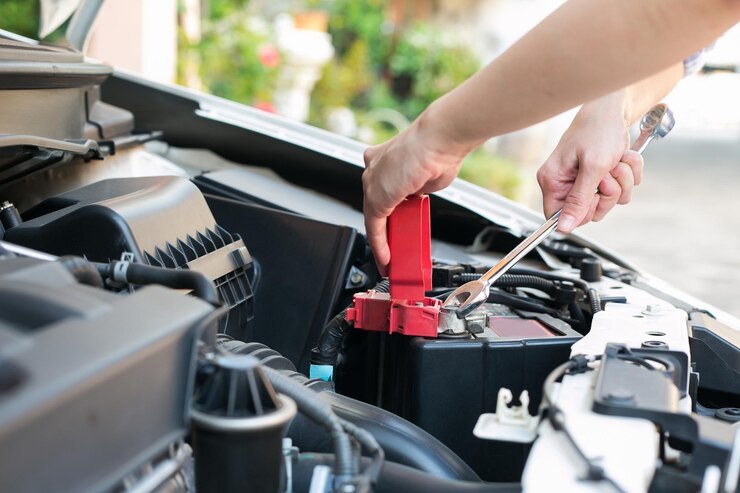
Red cable to dead battery positive terminal first, then to working battery positive. Black cable to working battery negative, then—and this matters—to an unpainted metal surface on the dead car’s engine block, not the battery terminal. This grounds the circuit safely and reduces spark risk near battery gases.
Let the working car run for 5 minutes before attempting to start the dead one. Once started, leave the revived car running for at least 20 minutes before turning it off.
If the car still won’t start after following these steps, it’s time to call in the professionals. Our towing service in London can safely transport your vehicle to your preferred garage or home, avoiding any further damage.
If you’re not confident doing this yourself, our emergency jumpstart service can safely revive your battery in minutes.
Should You Replace or Just Recharge?
A healthy battery that’s simply been drained can be recharged and will work fine for years. But most batteries fail because they’re old, not because of a one-time drain.
Replace if: The battery is over four years old, has been jump-started more than twice in six months, or shows physical damage (swelling, cracks, leaking). Recharge if: The battery is relatively new and you know why it drained (lights left on, car unused for weeks).
When in doubt, most garages will test batteries for free. A proper load test takes three minutes and tells you whether replacement is weeks away or years away.
Preventing Future Problems
Drive longer once a week
One 20-minute drive does more for battery health than five 5-minute trips. Motorway driving is ideal but not essential—the point is sustained running time. If you ever break down on a highway, our motorway recovery England service is ready to assist.
Turn accessories off before turning off the engine
Heated seats, stereos, phone chargers—switch them off before stopping the car. This reduces the power spike when you restart and protects the battery from unnecessary strain.
Park overnight without the key fob nearby
Keyless entry systems communicate with your fob constantly when it’s close. Keeping keys across the room prevents this parasitic drain and has the bonus of frustrating car thieves.
Replace proactively at 4-5 years
Batteries are cheap compared to the inconvenience of breaking down. If yours is approaching five years old, replace it before winter rather than waiting for failure.
Get an electrical check after adding accessories
Dashcams, trackers, and phone chargers all draw power. Professionally fitted ones should be fine, but DIY installations sometimes create constant drains that kill batteries in days.
Common Questions People Actually Ask
Why do the lights work but the engine won’t start?
Interior lights need about 5 amps. Your starter motor needs 200-400 amps. A dying battery often has enough for lights and radio but nowhere near enough to turn the engine.
Can I just keep jump-starting instead of replacing the battery?
Technically yes, but every jump-start strains your alternator and starter motor. What saves you £100 on a battery today might cost £400 in alternator replacement next month.
How long does a recharge last?
If the battery is healthy and the drain was temporary, indefinitely. If the battery is failing, maybe days or weeks. This is why testing after a jump-start matters—it tells you what you’re dealing with.
Will a trickle charger help?
If your car sits unused for weeks at a time, absolutely. A basic maintenance charger costs £30 and prevents the slow drain from killing your battery. Just make sure it’s designed for modern vehicles with sensitive electronics.
Is there any way to know exactly when my battery will fail?
No. But if it’s over four years old and showing any of the warning signs mentioned earlier, assume you’re on borrowed time.
The Real Takeaway
Most battery problems come down to two things: age and insufficient charging from short trips. You can’t stop batteries aging, but you can replace them before they fail and make sure your driving habits give them a fighting chance.
Everything else—the technical explanations, the warning signs, the jump-starting procedures—exists to help you handle the reality that batteries don’t last forever and modern life doesn’t give them ideal conditions.
Check your battery’s age right now if you don’t know it. If it’s over four years old, plan its replacement. If you mostly do short trips, add one longer drive weekly. Those two actions prevent most battery-related breakdowns.
The rest is just knowing what to do when prevention wasn’t enough.
Check your battery’s age right now if you don’t know it. If it’s over four years old, plan its replacement. If you mostly do short trips, add one longer drive weekly. Those two actions prevent most battery-related breakdowns. For professional advice or immediate help, contact QuickTow 24/7.