

A complete safety and action guide for real motorway emergencies
Driving in the UK—especially on busy motorways like the M25, M6, or A1—can sometimes turn stressful if your vehicle suddenly breaks down. Whether it’s a flat tyre, engine failure, or battery issue, knowing exactly what to do in those first few minutes can make the difference between a safe situation and a dangerous one.
Many drivers panic when a breakdown happens. But with the right preparation and a clear checklist, you can handle the situation calmly and safely.This guide explains the complete emergency breakdown checklist every UK driver should know, including what to do before a breakdown happens, what to do immediately when it occurs, and how to stay safe while waiting for recovery.
Why Every UK Driver Needs a Breakdown Plan
A vehicle breakdown is more than just an inconvenience. On high-speed roads, it can quickly become a serious safety risk.
Motorway hard shoulders are intended as emergency stopping areas, but they are still very close to fast-moving traffic. Drivers should treat them only as a temporary safety zone until help arrives.
According to motorway safety guidance, the safest place to stop during a breakdown is a service area or another place away from traffic if you can reach one.
That’s why every driver should know the correct steps to take before, during, and after a breakdown.
Part 1: Essential Items to Keep in Your Car
Preparation is the first line of defence. Before any journey, especially a long motorway trip, you should carry a few basic emergency items.
Recommended breakdown essentials include:
Safety Equipment
- High-visibility jacket
- Warning triangle (not for motorways)
- Torch or flashlight
- Reflective clothing
Communication & Navigation
- Charged mobile phone
- Breakdown provider contact details
- GPS or route planner
Emergency Supplies
- Drinking water
- Snacks or food
- Warm clothing or blanket
- Any necessary medication
Having these items ready can make a stressful breakdown situation much easier to manage.
Part 2: Early Warning Signs Your Car May Break Down
Many breakdowns don’t happen suddenly. Often your car will show warning signs first.
Common signs include:
Dashboard Warning Lights
Engine warning lights, battery alerts, or overheating indicators should never be ignored.
Strange Noises
Grinding, knocking, or loud vibrations may signal mechanical issues.
Loss of Power
If your vehicle struggles to accelerate or maintain speed, something may be wrong.
Smoke or Burning Smell
This can indicate overheating or electrical problems.
If you notice any of these symptoms, it’s safer to leave the motorway at the next exit or pull into a service area rather than continuing your journey.
Part 3: Emergency Breakdown Checklist (Step-by-Step)
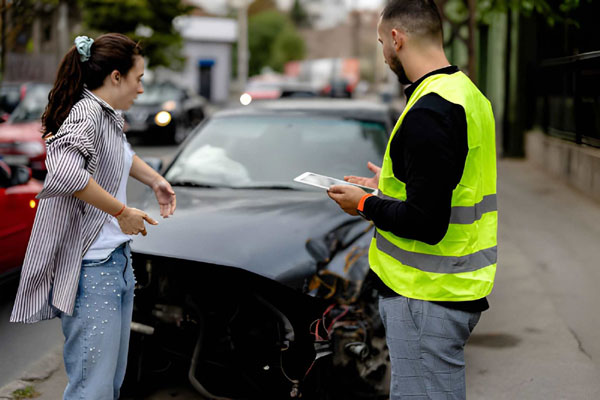
If your vehicle breaks down while driving, follow this structured safety checklist.
1. Stay Calm and Assess the Situation
Panic can lead to dangerous decisions. Stay focused and look for the safest place to stop.
2. Move to a Place of Relative Safety
The UK Highway Code recommends stopping somewhere that reduces risk from moving traffic.
Preferred options include:
- Motorway service areas
- Lay-bys
- Emergency refuge areas
- Hard shoulder (last resort)
3. Signal and Pull Over Safely
If you must stop on the motorway:
- Indicate left
- Move to the left lane
- Pull onto the hard shoulder
- Stop as far left as possible
Turn your steering wheel slightly left so the vehicle rolls away from traffic if hit.
4. Turn on Hazard Lights
Hazard lights warn other drivers that your vehicle is stationary.
If visibility is poor or it’s nighttime, also switch on sidelights.
5. Exit the Vehicle Safely
Passengers should leave the car through the left-hand doors, away from traffic.
Everyone should move away from the road and stand behind the safety barrier if possible.
6. Make Yourself Visible
Wear a high-visibility jacket or bright clothing to help other drivers see you.
7. Call for Assistance
You can contact a breakdown service or use the motorway emergency telephone.
Emergency phones are usually located about one mile apart along motorways and connect directly to motorway control centres.
Part 4: What NOT to Do During a Breakdown
Many drivers make dangerous mistakes when their car stops unexpectedly.
Avoid the following actions:
Do Not Stand Near Traffic
Never stand between your car and the motorway.
Do Not Attempt Repairs
Even simple repairs can be extremely dangerous on busy roads.
Do Not Walk Along the Motorway
Walking along the motorway is highly risky unless necessary to reach an emergency phone.
Do Not Ignore Warning Signs
Stopping on the hard shoulder for non-emergencies can result in fines or penalty points.
Hard shoulders are strictly for emergencies only.
Part 5: What to Do on Smart Motorways
Smart motorways have changed how breakdowns are handled.
Some smart motorways do not have permanent hard shoulders. Instead, they use:
- Emergency refuge areas
- Variable speed limits
- Overhead lane control signs
If your car breaks down on a smart motorway:
- Try to reach the nearest emergency refuge area
- Turn on hazard lights
- If safe, exit the vehicle and stand behind the barrier
- Use the SOS phone to report the breakdown
If the car stops in a live lane and you cannot exit safely, stay inside with your seatbelt fastened and call emergency services.
Part 6: How to Stay Safe While Waiting for Recovery
Once you’ve called for help, your next priority is staying safe.
Follow these safety tips:
- Stand well away from traffic
- Keep children close to you
- Avoid standing near the vehicle
- Stay behind safety barriers whenever possible
Remember that motorway traffic travels at high speed, so distance from the road is critical.
Part 7: Real-World Example Scenario
Imagine a driver travelling on the M25 during evening traffic.
Suddenly, the engine overheats and power drops.
The driver:
- Signals and moves into the left lane
- Pulls onto the hard shoulder
- Turns on hazard lights
- Exits the vehicle safely
- Moves behind the barrier
- Calls for roadside recovery
Within 30–40 minutes, a recovery vehicle arrives and removes the car safely.
Because the driver followed the correct checklist, the situation remained controlled and safe.
Part 8: Preventing Breakdowns Before They Happen
Many breakdowns can be prevented with basic vehicle maintenance.
Drivers should regularly check:
Tyres
Check tyre pressure and tread depth.
Engine Oil
Low oil levels can cause serious engine damage.
Coolant
Prevents engine overheating.
Battery
Older batteries often fail unexpectedly.
Fuel Level
Running out of fuel remains one of the most common breakdown causes.
Simple checks before a journey can significantly reduce breakdown risks.
Final Thoughts
A vehicle breakdown can happen to anyone—even experienced drivers. What matters most is how prepared you are and how quickly you respond.
By remembering this emergency checklist, you can:
- Protect yourself and your passengers
- Reduce the risk of accidents
- Get professional help quickly
The key is simple:
Stay calm. Move to safety. Alert other drivers. Call for help.
When drivers understand these steps, a breakdown becomes a manageable situation instead of a dangerous emergency.