
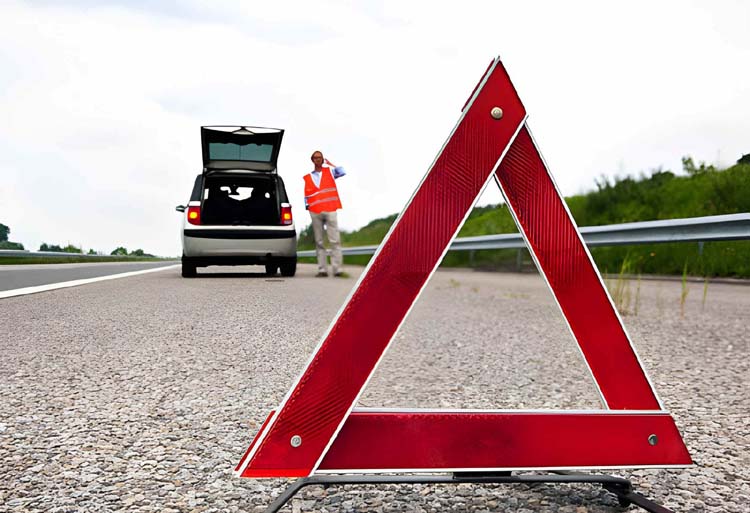
It’s late. You’re driving on the M25 after a long day, traffic has finally eased, and then—without warning—your car loses power. If your car broke down on the M25 at night, it can quickly turn into a stressful and high-risk situation. The dashboard lights flicker, your speed drops, and within seconds you realize something is wrong.
You manage to pull over. It’s dark. Vehicles are rushing past at high speed. And now you’re asking yourself:
“What should I do right now?”
This isn’t just inconvenient—it’s a dangerous moment where your decisions matter. What you do in the next few minutes can directly affect your safety.
This guide gives you clear, real-world steps to stay safe, avoid common mistakes, and handle a motorway breakdown at night properly in the UK.
Why Night Breakdowns on the M25 Are More Dangerous
Breaking down on any motorway is risky. At night, the danger increases.
Here’s why:
- Visibility is reduced for both you and other drivers
- Drivers may be tired or less alert
- Speed feels faster in low light
- It’s harder to judge distance and movement
On a busy motorway like the M25, even a small mistake can quickly become serious.
What to Do Immediately (Step-by-Step)
1. Get to Safety First — Not Convenience
Your priority is not stopping quickly—it’s stopping safely.
- Signal left immediately
- Move into the left lane as smoothly as possible
- Aim for the hard shoulder or, ideally, a service area or emergency refuge area (ERA)
👉 If your car still has momentum, do not stop too early—use that movement to reach a safer spot.
2. Position Your Car Correctly
Once stopped:
- Park as far left as possible
- Turn your wheels slightly left
- Apply the handbrake
This reduces the chance of your car rolling into traffic if impacted.
3. Turn On Hazard Lights Immediately
This is critical at night.
- Switch on hazard lights as soon as you slow down
- Keep sidelights on for visibility
Your goal is simple: be seen from a distance
4. Exit the Vehicle Safely
This step is where many drivers make mistakes.
- Leave the car from the passenger side only
- Ensure all passengers exit quickly but calmly
- Never step into the traffic side
5. Move Away from the Road
- Stand behind the safety barrier if there is one
- If no barrier, move far up the embankment
- Keep everyone together and visible
Distance from traffic = safety
6. Call for Help Immediately
At night, delays increase risk.
You should:
- Call a professional recovery service
- Or use motorway emergency phones if nearby
These phones connect directly to motorway control and help pinpoint your location faster than a mobile call.
What NOT to Do (Critical Mistakes to Avoid)
When drivers panic, they often do the wrong things. Avoid these:
- Don’t stay inside the car (unless it’s unsafe to exit)
- Don’t attempt repairs on the motorway
- Don’t walk along the motorway
- Don’t stand near your vehicle
These actions significantly increase risk, especially at night.
What If This Happens on a Smart Motorway?
Parts of the M25 operate as smart motorways, which means:
- No permanent hard shoulder
- Use of emergency refuge areas (ERA)
- Lane control signs
If your car breaks down:
Try to reach an ERA
They are placed at intervals and provide a safer stopping point.
If you can’t:
- Stay inside your vehicle
- Keep your seatbelt on
- Call emergency services immediately
This is different from traditional motorway advice—knowing the difference is essential
How Long Does Help Take on the M25?
Response times vary depending on:
- Traffic conditions
- Time of night
- Exact location
Typical expectations:
- Busy sections: 20–40 minutes
- Quieter areas: 30–60 minutes
Choosing a fast, local recovery service can reduce waiting time.
What Will It Cost?
Emergency motorway recovery is usually higher than standard roadside help.
Typical range:
- £80 – £150 for short-distance recovery
- £150 – £300+ for motorway or long-distance
Costs depend on:
- Distance
- Vehicle type
- Urgency
Always confirm pricing when calling for help.
Real Scenario
A driver travelling clockwise on the M25 near Heathrow experienced sudden battery failure around 11:45 PM.
- The car lost power gradually
- The driver signalled early and reached the hard shoulder
- Hazard lights were activated immediately
- The driver and passengers exited safely and moved behind the barrier
- A recovery team arrived within 35 minutes
Because the driver followed the correct steps, the situation remained safe and controlled.
Frequently Asked Questions
1. Is it safe to stay in the car at night?
On a normal motorway:
No — exit and move away
On a smart motorway:
Yes — stay inside with seatbelt on
2. Can I walk to get help?
No. Motorways are not safe for walking. Use emergency phones or call for help.
3. What if I break down in a live lane?
- Turn on hazard lights
- Stay inside with seatbelt on
- Call emergency services immediately
4. Are hazard lights enough to stay safe?
No. They help visibility but do not remove risk. Distance from traffic is still essential.
5. Should I try to fix my car?
No. Repairs on a motorway are dangerous and should be avoided.
Final Thoughts
Breaking down on the M25 at night can feel overwhelming—but the situation becomes much safer when you follow the right steps.
The key priorities are simple:
- Get to a safer position
- Make yourself visible
- Move away from traffic
- Call for help quickly
Everything else comes after.Because on a motorway—especially at night—every second matters, and every decision counts.